In 2026, online shopping is no longer just convenient it’s a daily habit. From groceries and gadgets to fashion and furniture, everything is just a click away. Flash sales, one-day delivery, and influencer promotions make buying online faster and more exciting than ever.
But while genuine e-commerce platforms are expanding, a darker trend is rising alongside them Online Shopping Scams.
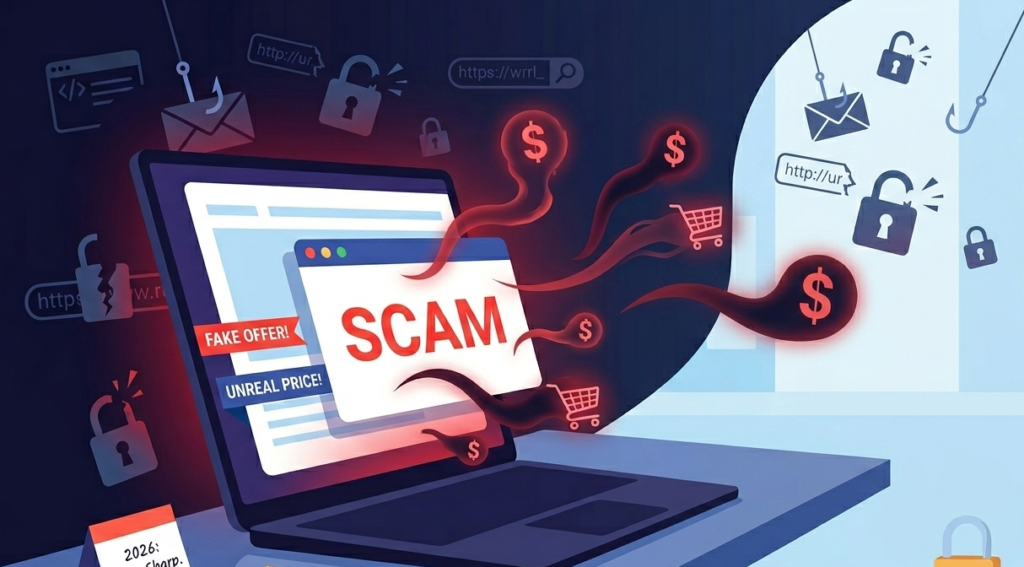
Fake e-commerce websites, fraudulent social media stores, and AI-powered scam pages are trapping thousands of buyers every day. These scams don’t just steal money. They steal personal data, banking information, and peace of mind.
Let’s break down how these scams work in 2026, why they are spreading so fast, and how you can stay safe.
What Are Online Shopping Scams?
E-commerce scams are fraudulent schemes where fake websites or sellers pretend to offer real products at attractive prices. Once a buyer places an order and makes payment, one of the following happens:
- The product never arrives
- A fake or low-quality item is delivered
- The website disappears
- The seller stops responding
- Customer data is misused
Unlike small fraud attempts in the past, today’s scam websites look almost identical to legitimate stores. They use professional designs, fake reviews, and even AI-generated customer support chats.
Why Online Shopping Scams Are Exploding in 2026
Several modern trends have fueled the growth of E-commerce scams
1. AI-Generated Fake Stores
Scammers now use AI tools to instantly create professional-looking websites. These fake stores copy layouts from popular platforms like:
- Amazon
- Flipkart
- Shopify
Within hours, fraudsters can launch a convincing website with product images, reviews, and payment gateways.
2. Social Media Shopping Boom
Platforms like:
- Instagram
- Facebook
- TikTok
have become major shopping hubs. Scammers run sponsored ads offering “90% OFF Clearance Sales” to drive traffic to fake websites.
3. Flash Sale Culture
Buyers fear missing out on limited-time offers. Scammers exploit urgency by showing fake countdown timers and “Only 2 Items Left” alerts.
4. Global Shipping Confusion
International shipping delays make it easier for fake sellers to blame logistics issues when products never arrive.
How Fake E-Commerce Websites Trap Buyers
Understanding the tactics behind Online Shopping Scams can help you avoid becoming a victim.
1. Unrealistic Discounts
Scam websites advertise:
- 80–90% discounts
- Buy 1 Get 3 Free
- Mega clearance sale ending tonight
Luxury shoes worth ₹10,000 suddenly selling for ₹999? That’s usually bait.
These too-good-to-be-true deals are one of the biggest red flags in E-commerce scams.
2. Fake Product Reviews
Fraudsters copy real reviews from trusted platforms and paste them onto their sites. Some even use AI-generated profile pictures to make reviews look authentic.
You may see:
- Hundreds of 5-star ratings
- Identical review wording
- No negative feedback
In reality, the store may be only a few days old.
3. Fake Payment Pages
Many E-commerce scams redirect users to payment pages that look secure but are designed to steal:
- Card details
- CVV numbers
- OTP codes
- UPI credentials
Once entered, your banking information can be misused within minutes.
4. No Cash on Delivery Option
Legitimate platforms often offer Cash on Delivery (COD). Fake stores push:
- Prepaid orders only
- “Extra discount on prepaid”
This is because scammers want guaranteed money before disappearing.
5. Disappearing Customer Support
Most Online Shopping Scams include:
- Fake customer care numbers
- Non-working email addresses
- No physical office address
- Broken “Contact Us” pages
After payment, communication stops completely.
Trending Online Shopping Scam Tactics in 2026

Scammers are becoming smarter. Here’s how E-commerce scams have evolved this year.
AI Chatbots That Sound Real
Fraud websites use advanced chatbots that respond instantly and professionally. Buyers believe they are chatting with real support agents.
Deepfake Influencer Promotions
Scammers create fake videos of influencers promoting “exclusive sales.” These AI-generated endorsements look surprisingly real.
QR Code Payment Fraud
Instead of normal checkout, some fake stores ask buyers to scan QR codes. These codes directly transfer money to scam accounts.
Subscription Traps
Some websites offer products at ₹99 but secretly enroll users in monthly subscription charges.
Warning Signs of Online Shopping Scams
If you notice these red flags, pause immediately:
- Newly created website domain
- No social media presence
- No company registration details
- Spelling and grammar mistakes
- Only prepaid payment methods
- Unrealistic discounts
- No return or refund policy
Recognizing these signs early can protect you from Online Shopping Scams.
Who Are the Main Targets?
1. Young Online Shoppers
Students attracted to heavy discounts are frequent victims.
2. Festival Buyers
During Diwali, Black Friday, and New Year sales, E-commerce scams spike dramatically.
3. Small Resellers
Entrepreneurs purchasing bulk inventory from unknown suppliers often get trapped.
4. Elderly Users
Less tech-savvy users are targeted through social media ads and forwarded messages
Real Impact on Victims
The consequences of Online Shopping Scams go beyond losing money.
Victims often face:
- Bank fraud
- Identity theft
- Emotional stress
- Loss of trust in online shopping
- Financial setbacks
Some victims even experience unauthorized loans taken in their name after data theft.
How to Protect Yourself in 2026
Here are practical steps to stay safe from Online Shopping Scams
1. Verify the Website
- Check domain age using online tools
- Search the brand name with the word “scam”
- Look for genuine social media accounts
2. Use Trusted Platforms
Shop through established marketplaces instead of unknown websites.
3. Avoid Public Wi-Fi Payments
Public networks increase the risk of data theft.
4. Choose Secure Payment Methods
Use credit cards or trusted payment gateways that offer buyer protection.
5. Check Return Policies
Legitimate businesses clearly explain return and refund procedures.
6. Trust Your Instincts
If a deal feels suspicious, it probably is.
What To Do If You’re Scammed
If you become a victim of Online Shopping Scams:
- Immediately inform your bank
- Block your card or UPI ID
- Change passwords
- File a complaint at your country’s cybercrime portal
- Report the website to the hosting provider
- Warn others through reviews
Quick action can limit further financial damage.
The Regulatory Response in 2026
Governments worldwide are increasing monitoring of fake e-commerce platforms. Stricter KYC norms for sellers and AI-based scam detection systems are being implemented.
However, fraudsters constantly create new domains under different names. That’s why awareness remains your strongest shield against Online Shopping Scams.
Conclusion
Online shopping in 2026 is faster, smarter, and more accessible than ever. But with convenience comes risk. Online Shopping Scams are evolving rapidly, using AI, deepfake marketing, and psychological urgency to trap buyers.
A genuine deal will still exist tomorrow. A scam relies on panic today.