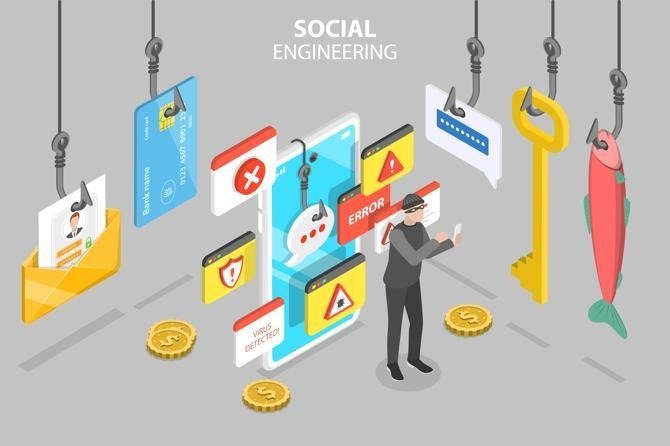
That’s Social Engineering in action, folks hackers aren’t breaking servers anymore they’re picking your mental locks with tricks straight out of a psychologist’s playbook. In 2026, they’ve got your social media scrolls, shopping habits, and even heart rate data from your smartwatch to craft attacks that feel personal, not phishing. It’s scary real one wrong click, and poof your life’s an open book.
What Is Social Engineering in Cybersecurity?
At its core, Social Engineering is a manipulation technique where attackers trick individuals into revealing sensitive information or performing unsafe actions. Instead of relying on advanced malware or technical exploits, hackers study human behavior fear, curiosity, urgency, and trust.
In 2026, these attacks feel more natural and believable than ever. Messages no longer look suspicious. Calls sound professional. Fake identities feel real. The goal is simple make the victim believe they are making the right decision.
Why Hackers Prefer Psychology Over Technology
Modern systems are getting stronger. Encryption, AI-driven threat detection, and zero-trust models have raised the bar for technical attacks. Humans, however, remain predictable.
Hackers know that
- People trust authority figures
- Fear leads to rushed decisions
- Urgency reduces logical thinking
- Familiar names lower suspicion
By exploiting these traits, Social Engineering attacks bypass even the most advanced security tools without triggering alarms.
Common Social Engineering Attack Techniques in 2026
Attackers are refining old tricks and combining them with new technologies
AI-Powered Phishing
Emails and messages are now written using AI, perfectly matching tone, grammar, and context. Some even reference recent conversations or real events.
Deepfake Voice and Video Scams
Criminals clone voices of CEOs, managers, or family members. A short voice call asking for an urgent transfer can sound frighteningly real.
Smishing and WhatsApp Traps
Fake delivery updates, bank alerts, and government messages target mobile users who are more likely to click quickly.
Pretexting with Personal Data
Using leaked data from breaches, attackers build believable stories that feel personal and trustworthy.
All these methods rely heavily on Social Engineering, not software flaws.
The Psychology Behind These Attacks
The success of Social Engineering lies in emotional manipulation. Hackers trigger specific psychological responses
- Fear: “Your account will be closed today”
- Authority: “This is your company’s security team”
- Curiosity: “You’ve received a confidential document”
- Urgency: “Immediate action required”
When emotions take control, critical thinking shuts down. This is exactly the moment attackers exploit.
What’s New in Social Engineering Attacks in 2026
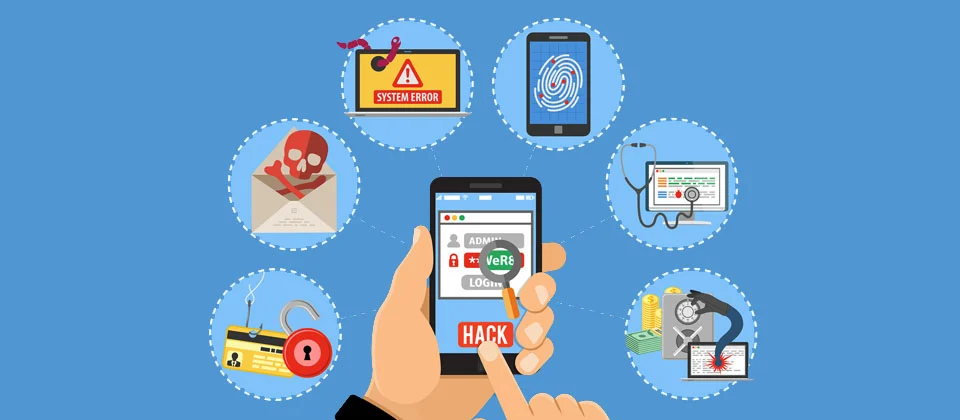
This year, attackers are becoming smarter and more patient
- AI chatbots conduct long conversations before attacking
- Fake LinkedIn profiles build trust over weeks
- Attacks are customized for specific industries
- Hybrid attacks mix email, phone, and social media
Rather than rushing, criminals invest time to increase success rates. Human based cyber attacks has evolved from quick tricks into long term manipulation strategies.
Real-World Impact on Individuals and Businesses
One successful Social Engineering attack can cause massive damage:
- Financial loss through fraud
- Identity theft
- Data breaches
- Reputation damage
- Legal consequences
Small businesses and non technical employees are especially vulnerable because attackers assume weaker security awareness.
How to Defend Against Social Engineering in 2026
Technology alone is not enough. Defense starts with awareness.
Human-Focused Security Training
Employees must learn how attackers think, not just what tools they use.
Verification Culture
Encourage staff to double-check requests, even from senior management.
Slow Down Decision-Making
Urgency is a red flag. Taking a moment can prevent disaster.
Limit Public Information
Oversharing on social media gives attackers valuable material.
Simulated Attack Drills
Regular testing helps teams recognize real threats.
Understanding Social Engineering is now a basic survival skill in the digital world.
Why Awareness Is the Strongest Firewall
Firewalls block traffic. Antivirus scans files. But only people can stop manipulation. When users understand how Human manipulation attacks works, attackers lose their advantage.
In 2026, cybersecurity is not just an IT responsibility it’s a human responsibility.
Conclusion
As cyber threats evolve, attackers are proving that the easiest way in is through people, not systems. Social Engineering has become the silent threat hiding behind friendly messages, familiar voices, and trusted faces. The future of cybersecurity depends on awareness, skepticism, and education. By understanding how manipulation works, individuals and organizations can stay one step ahead in an increasingly psychological cyber battlefield.