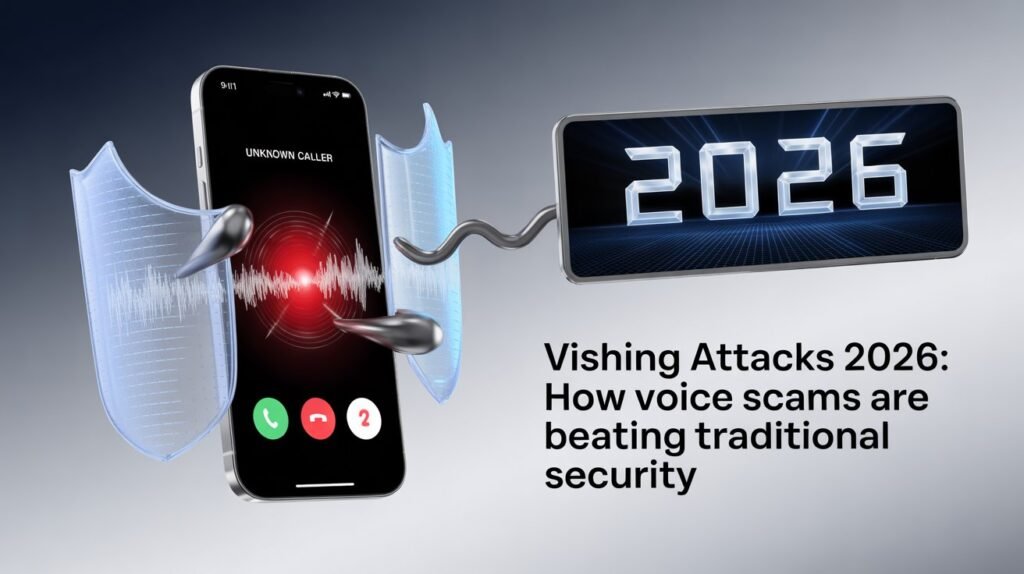
Cybercrime is constantly evolving, and in 2026, one of the fastest growing threats is Vishing Attacks. While businesses have strengthened their defenses against phishing emails and malware, attackers have shifted toward something far more convincing the human voice.
From AI-powered voice cloning to fake bank representatives, criminals are now using advanced social engineering techniques to bypass traditional security systems. Unlike email scams that can be filtered, voice based fraud directly targets human psychology, making it harder to detect and easier to execute.
This blog explains what Vishing Attacks are, how they work in 2026, why they are more dangerous than traditional phishing, and what cybersecurity students and businesses must understand to stay protected.
What Are Vishing Attacks
Vishing Attacks (short for “voice phishing”) are scams conducted over phone calls or voice messages. Instead of sending fake emails or malicious links, attackers call victims directly and manipulate them into sharing sensitive information.
These scams often involve impersonating:
- Bank representatives
- Government officials
- Tech support agents
- Delivery services
- Corporate executives
The goal is usually to obtain:
- OTP codes
- Banking credentials
- Credit card details
- Company login information
- Confidential business data
Unlike email-based phishing, vishing relies heavily on urgency, fear, and trust.
Why Vishing Is Exploding in 2026
Several technological shifts have made Vishing Attacks more powerful than ever.
1. AI Voice Cloning
With AI tools now widely available, attackers can clone someone’s voice using just a few seconds of audio. Fraudsters impersonate:
- CEOs
- Managers
- Family members
- Bank officers
This makes scams highly believable and difficult to detect.
2. Deepfake Audio
Deepfake voice technology allows attackers to generate realistic conversations. In corporate environments, employees may receive calls from someone who sounds exactly like their senior executive.
3. Spoofed Caller IDs
Attackers can manipulate caller ID systems to display:
- Official bank numbers
- Government helplines
- Corporate office lines
Victims see a trusted number and lower their guard.
4. Increased Remote Work
With hybrid and remote work becoming standard, verifying identity through voice calls has become common. Attackers exploit this reliance.
How Vishing Attacks Work
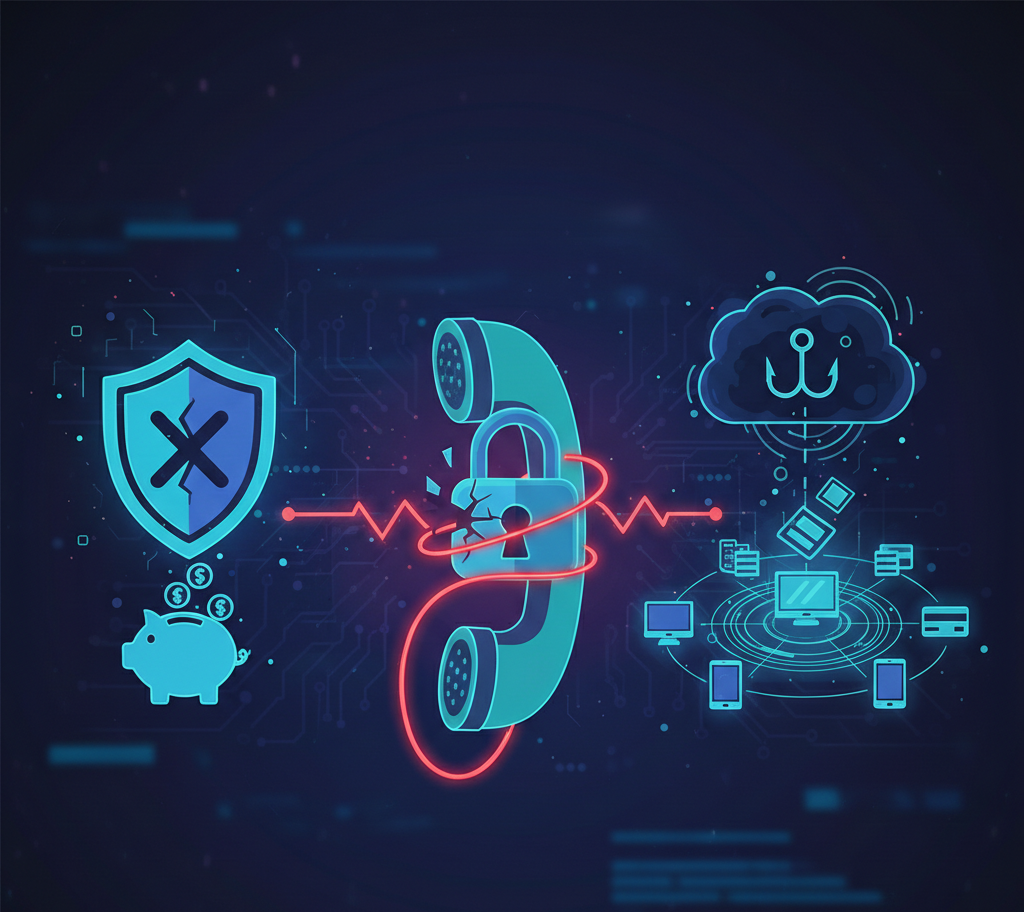
Understanding the process helps reveal why Vishing Attacks are so effective.
Step 1: Target Selection
Attackers gather information from social media, company websites, and data leaks.
Step 2: Impersonation
They pose as trusted authorities bank officers, IT teams, or executives.
Step 3: Creating Urgency
Common tactics include:
- “Your account will be blocked.”
- “There is suspicious activity.”
- “Immediate action is required.”
Step 4: Extracting Information
Victims are asked to share:
- OTP codes
- Password reset links
- Banking PINs
- Internal system credentials
Step 5: Financial or Data Theft
Once access is gained, attackers transfer funds or extract confidential data.
Why Traditional Security Fails Against Voice Scams
Firewalls, antivirus software, and email filters cannot stop voice manipulation. Vishing Attacks bypass technical defenses and directly target human decision making.
Here’s why they succeed:
- No malicious links to scan
- No suspicious attachments
- Real-time conversation manipulation
- Emotional pressure tactics
- AI-generated realistic voices
Even well-trained employees can fall victim under pressure.
Trending Vishing Tactics in 2026
Cybercriminals continuously refine their strategies. Below are the most common trends this year.
1. Banking Fraud Calls
Victims receive calls claiming suspicious transactions have been detected. They are asked to confirm OTPs, which actually authorize fraudulent payments.
2. Executive Impersonation Scams
Attackers clone a CEO’s voice and instruct finance teams to process urgent transfers.
3. SIM Swap Voice Scams
Fraudsters pretend to be telecom providers and trick victims into sharing verification codes, allowing SIM hijacking.
4. AI-Based Robocalls
Automated AI systems now conduct full conversations instead of pre-recorded messages.
5. Cryptocurrency Wallet Theft
Victims are told their wallets are compromised and must “secure” funds by transferring them to a fake safety account.
These evolving Vishing Attacks show how cybercrime is becoming more automated and intelligent.
Real-World Risks for Businesses
The impact of Vishing Attacks goes beyond individual victims.
1. Financial Loss
Companies have lost millions due to executive impersonation scams.
2. Data Breaches
Attackers gain access to internal systems through stolen credentials.
3. Reputation Damage
If customers lose trust in your security, brand value declines.
4. Regulatory Penalties
Data leaks caused by voice scams may result in compliance fines.
5. Operational Disruption
Unauthorized access can halt business workflows.
Voice scams are no longer small-scale frauds they are strategic attacks on corporate infrastructure.
How Cybersecurity Students Should Prepare
For those studying cybersecurity or ethical hacking, understanding Vishing Attacks is essential in 2026.
1. Study Social Engineering
Learn how attackers manipulate human behavior rather than systems.
2. Understand Voice Spoofing Technology
Research AI voice synthesis and deepfake detection methods.
3. Practice Incident Simulation
Create mock scenarios where voice impersonation attempts occur.
4. Learn Multi-Factor Authentication (MFA) Design
Understand how OTP misuse happens and how to design secure systems.
5. Explore Behavioral Detection Systems
Future security tools will analyze voice patterns and call anomalies.
AI-driven voice security is becoming a specialized field within cybersecurity.
How Businesses Can Defend Against Vishing
Organizations must treat Vishing Attacks as a serious security threat.
1. Implement Call Verification Policies
Never approve financial transactions based solely on voice instructions.
Use:
- Callback verification
- Secondary approval systems
- Internal ticket confirmations
2. Strengthen Employee Training
Train staff to:
- Question urgent requests
- Verify identity independently
- Never share OTPs over calls
3. Limit Privileged Access
Reduce the number of employees authorized to approve payments.
4. Use Voice Biometrics Carefully
While voice biometrics help, they must be combined with additional authentication layers.
5. Monitor Financial Transactions
Real-time anomaly detection systems can flag suspicious transfers.
6. Create a Clear Reporting Channel
Employees must immediately report suspicious calls without fear of punishment.
The Future of Voice Scam Defense
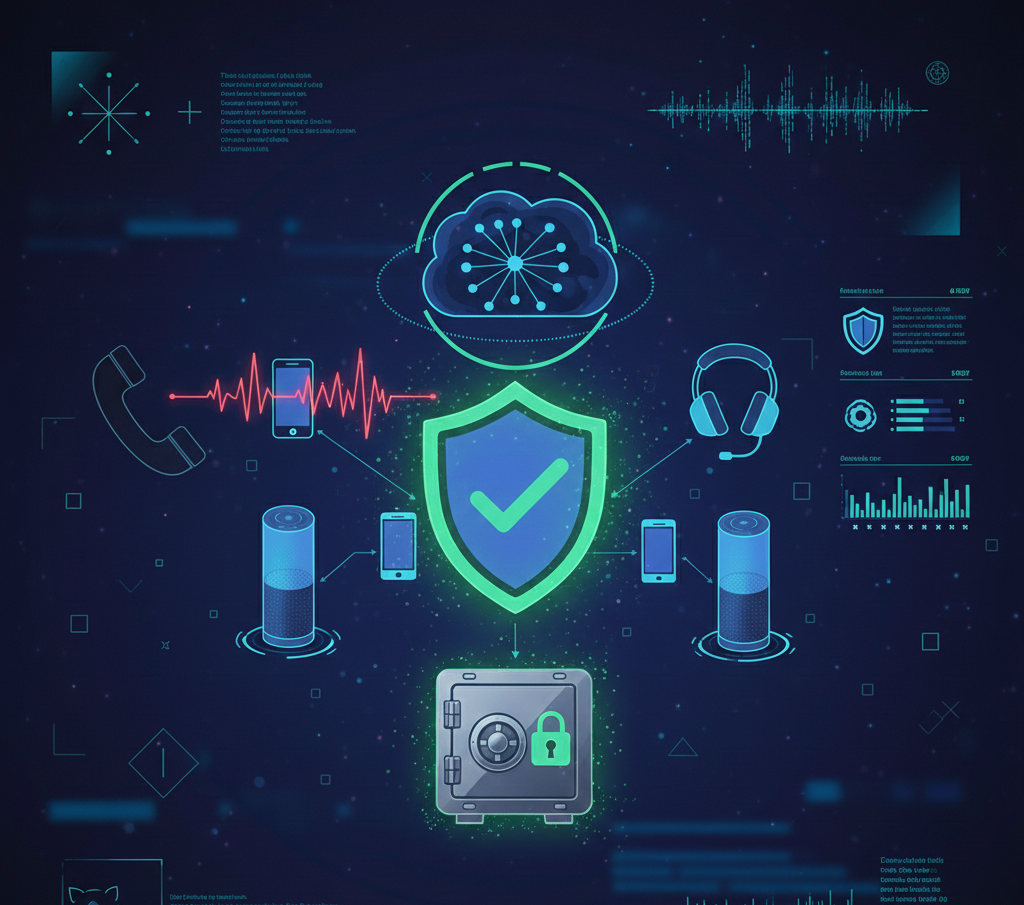
As AI tools improve, Vishing Attacks will become even more convincing. However, defenses are also evolving.
Emerging solutions include:
- AI-based voice deepfake detection
- Behavioral risk scoring
- Zero-trust verification models
- Secure transaction workflows
- Real-time fraud analytics
In the coming years, organizations will combine human awareness with AI driven protection systems.
Voice authentication alone will not be enough. Multi-layer verification will become the standard.
Conclusion
In 2026, Vishing Attacks are no longer simple scam calls they are advanced, AI-powered social engineering operations. By exploiting trust, authority, and urgency, attackers bypass traditional cybersecurity tools and directly manipulate human targets.
Businesses that ignore this threat risk financial loss, reputational damage, and regulatory penalties. Cybersecurity students who understand voice-based fraud today will be better prepared for tomorrow’s job market.
As digital communication evolves, so do cyber threats. Staying informed, building awareness, and implementing strong verification systems are the only ways to stay ahead of modern voice scams.
The future of cybersecurity is not just about protecting systems it is about protecting people from intelligent manipulation.